

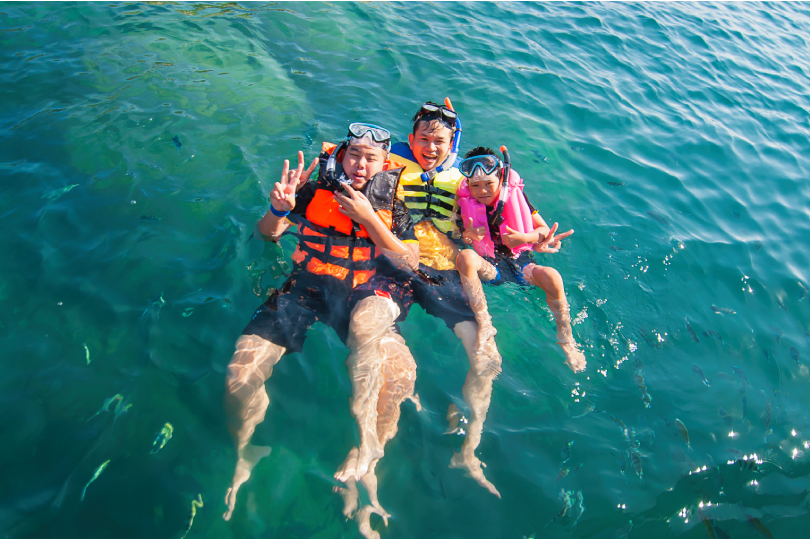
Queensland is home to some of the world’s most spectacular marine ecosystems, attracting snorkelers and divers, from all over the globe. With vivid reefs, diverse marine life, balmy tropical weather and crystal clear seas, it provides an undersea playground unlike any other. Exploring Queensland’s many islands offers amazing experiences and spectacular natural beauty. From the famed Great Barrier Reef to pristine island sanctuaries this guide has all you need to know for a safe, interesting and memorable water trip.
1. Top Islands for Snorkelling and Diving
Queensland features a number of islands, perfect for underwater excursions. The Whitsundays feature, tranquil waters and bright bordering reefs, making them ideal for beginners. Lady Elliot Island is ideal for spotting manta rays, and Heron Island offers easy access to healthy coral directly from the shore. Lizard Island provides experienced divers with isolated drop offs and impressive deep dives.
2. Best Time of Year to Explore the Underwater World
The best months, to snorkel or dive in Queensland, are typically April through November when visibility is excellent, marine life is active and the weather, is pleasant. These months also provide calmer seas, allowing for safer and clearer exploring. Summer is warm, but it also brings stronger currents and the stinger season, therefore protective suits are recommended.
3. What Marine Life You Can Expect to See
Queensland’s waters are teeming with life. Expect to encounter turtles, reef sharks, tropical fish, giant clams, rays, and vibrant coral formations. During winter, the region becomes a playground for migrating whales. Spots like Magnetic Island and Great Keppel Island give snorkellers a high chance of seeing colourful parrotfish, schools of fusiliers, and majestic coral bommies just metres from the shore.
4. Essential Gear for Snorkelling and Diving
While many tour operators provide equipment, having your own gear ensures comfort and reliability. Snorkelers should bring a well fitted mask, snorkel, and fins. Divers who travel individually will need a wetsuit, BCD, regulator, and dive computer. Reef safe sunscreen is essential for preserving, both your skin and the delicate ecosystems you’re investigating.
5. Safety Tips to Keep in Mind
When exploring Queensland’s underwater splendour, safety is paramount. Always snorkel or dive, with a buddy, and follow the suggestions of a certified guide. Coral is fragile and easily shattered, so avoid touching, or standing on it. It’s critical to keep mindful of the changing tides and currents. If you’re new to diving, consider taking an introductory course to help you acquire confidence, and learn the key skills you’ll need while underwater.
6. Protecting Queensland’s Marine Ecosystems
Queensland’s islands are surrounded by some of the world’s most vulnerable ecosystems. Being a responsible tourist is essential to preserving these wonderful locations for future generations. Choose eco friendly trips, avoid upsetting marine life and always leave shells and coral in their proper locations. By making wise decisions, we can help safeguard Queensland’s crystal clear rivers and diverse habitats.
Conclusion
Snorkelling and diving around Queensland’s islands offer a unique glimpse into one of the world’s most vibrant marine habitats. From vibrant coral gardens to deeper reef formations, the experience is both thrilling and gratifying. With proper preparation and respect for the ocean, you may experience the undersea splendour, that truly distinguishes Queensland’s beaches.